Blockchain and the art world: A new era of provenance and authentication
Blockchain and the art world: A new era of provenance and authentication

Blockchain and the Art World: A New Era of Provenance and Authentication Art has always been a valuable and cherished asset in the world, but for centuries, it has been plagued by the issue of provenance and authentication. The art world has faced numerous challenges in determining the authenticity of artworks, and the lack of […]

The potential of blockchain for transforming healthcare and medical records management
The potential of blockchain for transforming healthcare and medical records management

The healthcare industry is among the most data-driven industries, generating and processing vast amounts of sensitive information each day. As a result, managing and securing medical records and other healthcare-related data is of utmost importance. However, traditional methods of managing medical records and healthcare data are often cumbersome and susceptible to security breaches. This is […]

The impact of blockchain on real estate transactions and property management
Real estate transactions have traditionally been complex and slow processes that involve multiple intermediaries and a lot of paperwork. However, the emergence of blockchain technology has the potential to transform the real estate industry by making transactions faster, more secure, and more transparent. In this blog post, we will explore the impact of blockchain on real estate transactions and property management. First, let’s define what blockchain technology is. Blockchain is a decentralized digital ledger that records transactions in a transparent and immutable way. This means that once a transaction is recorded on the blockchain, it cannot be altered or deleted. The use of blockchain technology in real estate transactions can significantly reduce the need for intermediaries and increase the speed and security of the process. One of the main advantages of using blockchain in real estate transactions is that it can eliminate the need for a central authority or intermediary to verify transactions. This means that buyers and sellers can interact directly, without the need for a real estate agent, broker, or lawyer. By using smart contracts, parties can automate the process of transferring ownership of the property and ensure that all conditions are met before the transaction is finalized. In addition to speeding up the transaction process, blockchain can also increase transparency and reduce the risk of fraud. Since all transactions are recorded on a public ledger, they are visible to all parties involved. This can help to prevent fraud by making it easier to detect discrepancies or inconsistencies in the transaction history. Moreover, the use of blockchain can reduce the risk of title fraud, which is a common problem in real estate transactions. Another area where blockchain can have a significant impact is property management. By using blockchain, property owners and managers can store all property-related information, such as lease agreements, maintenance records, and tenant information, in a secure and decentralized way. This can make it easier to manage properties, reduce administrative costs, and improve the overall efficiency of property management. Moreover, blockchain technology can also make it easier for investors to invest in real estate. Through the use of blockchain-based real estate investment platforms, investors can easily invest in real estate assets and receive dividends based on the performance of the asset. This can democratize real estate investment and make it accessible to a wider range of investors. In conclusion, the impact of blockchain on real estate transactions and property management is significant and far-reaching. By reducing the need for intermediaries, increasing transparency, and improving efficiency, blockchain has the potential to transform the real estate industry in a profound way. While there are still challenges and limitations to the adoption of blockchain in real estate, it is clear that the technology has the potential to revolutionize the way we buy, sell, and manage properties.

Real estate transactions have traditionally been complex and slow processes that involve multiple intermediaries and a lot of paperwork. However, the emergence of blockchain technology has the potential to transform the real estate industry by making transactions faster, more secure, and more transparent. In this blog post, we will explore the impact of blockchain on […]

The future of blockchain in the gaming industry
The future of blockchain in the gaming industry

The gaming industry has come a long way since the days of Pong and Tetris. With the advent of advanced graphics, multiplayer modes, and virtual reality, gaming has become an immersive experience that attracts millions of players worldwide. However, despite the many advancements, the industry still faces challenges, such as centralized control, limited user ownership, […]

The emergence of decentralized autonomous organizations (DAOs) and their potential impact
The emergence of decentralized autonomous organizations (DAOs) and their potential impact

Decentralized Autonomous Organizations (DAOs) have emerged as a new form of organization that is powered by blockchain technology. They represent a significant shift from traditional hierarchical structures and centralized decision-making processes to a decentralized, democratic, and autonomous system. DAOs are essentially a digital entity that runs on a blockchain, enabling members to participate in the […]

Japan’s Liberal Democratic Party Publishes White Paper on Boosting Crypto Industry
Japan’s Liberal Democratic Party Publishes White Paper on Boosting Crypto Industry

Japan’s ruling Liberal Democratic Party’s Web3 project team has published a white paper laying out recommendations for boosting the crypto industry in the country, which is part of Prime Minister Fumio Kishida’s strategy of promoting technology, a project called “Cool Japan.” While other governments are looking to put regulation in place to protect consumers, Japan […]

The role of blockchain in enhancing digital identity and privacy
In today’s digital age, the issue of digital identity and privacy has become increasingly important. With the growing number of data breaches and cyber attacks, it is more important than ever to have a secure and reliable way to manage and protect personal information. Blockchain technology has emerged as a potential solution to this problem, offering a decentralized and secure approach to digital identity and privacy. The concept of digital identity refers to the information that is used to identify and authenticate individuals in the digital world. This can include personal information such as name, address, date of birth, and social security number. Digital identity is often used to access online services, conduct financial transactions, and communicate with others online. Traditionally, digital identity has been managed by central authorities such as governments and financial institutions. However, this approach has come under scrutiny in recent years due to concerns about data privacy and security. Blockchain technology offers a decentralized approach to digital identity that eliminates the need for a central authority to manage and verify identity information. The core feature of blockchain technology is the use of distributed ledger technology, which allows for the creation of a decentralized network where information is recorded in a transparent and tamper-proof manner. This makes it an ideal solution for creating digital identities that are secure and private, yet easily accessible when needed. One of the key benefits of using blockchain technology for digital identity is that it eliminates the need for a central authority to manage and verify identity information. Instead, the information is stored on the blockchain and can be accessed by anyone with the appropriate permissions. This means that individuals can have greater control over their personal data and can choose who to share it with. Another benefit of using blockchain technology for digital identity is that it provides a high level of security. Because the information is stored on a decentralized network, it is less vulnerable to hacking and other cyber attacks. In addition, the transparent and tamper-proof nature of the blockchain makes it easy to detect and prevent fraudulent activity. In addition to providing a more secure and private approach to digital identity, blockchain technology can also be used to enhance privacy in other areas. For example, it can be used to create secure messaging platforms that allow for private and secure communication between individuals. It can also be used to create anonymous voting systems that protect the privacy of voters while ensuring the integrity of the voting process. There are already several companies and organizations that are exploring the use of blockchain technology for digital identity and privacy. For example, the ID2020 Alliance is a global partnership that is working to develop a decentralized, portable, and interoperable digital identity system that is based on blockchain technology. Another example is the Sovrin Foundation, which has created a decentralized identity network that is designed to give individuals greater control over their personal data and identity. The network uses a blockchain-based approach to ensure that identity information is stored securely and is only accessible by authorized parties. blockchain technology has the potential to revolutionize the way we approach digital identity and privacy. By leveraging the power of distributed ledger technology, blockchain solutions can provide a decentralized, secure, and transparent approach to digital identity that puts individuals in control of their personal data and privacy. As the technology continues to evolve, we can expect to see even more innovative solutions emerge that will help to address the challenges of digital identity and privacy in the years to come.

In today’s digital age, the issue of digital identity and privacy has become increasingly important. With the growing number of data breaches and cyber attacks, it is more important than ever to have a secure and reliable way to manage and protect personal information. Blockchain technology has emerged as a potential solution to this problem, […]

The End of an Era: Meta Shuts Down NFT Operations on Instagram and Facebook
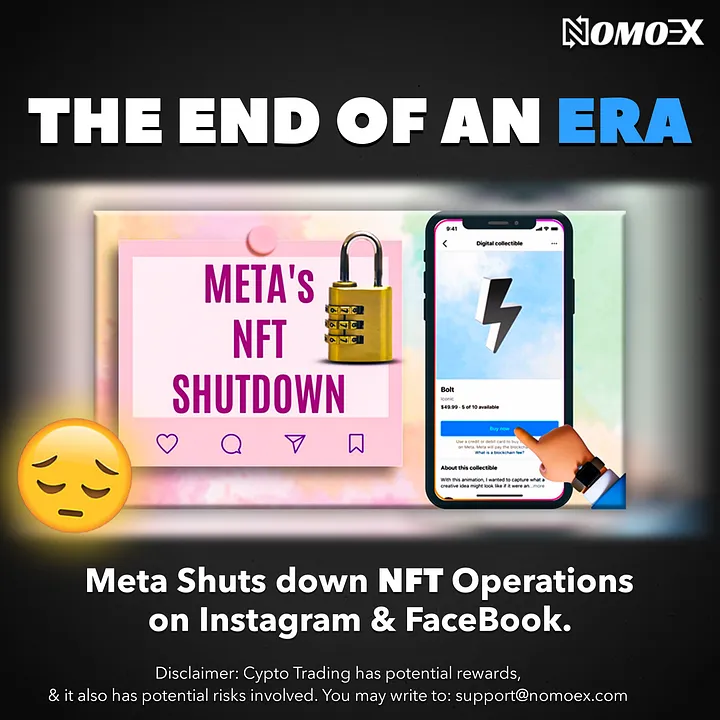
The End of an Era: Meta Shuts Down NFT Operations on Instagram and Facebook

Meta, formerly known as Facebook, has announced that it will be removing support for non-fungible tokens (NFTs) and other digital collectibles features from its social media platforms ten months after launch. Last year, the tech giant had added support for NFTs on Instagram, allowing only selected creators to share their digital artwork on the photo […]

How blockchain is transforming the finance industry
How blockchain is transforming the finance industry

Blockchain technology has the potential to transform the finance industry by providing a decentralized, secure, and transparent system for managing financial transactions. In this blog, we will explore how blockchain is transforming the finance industry in more detail. blockchain technology is transforming the finance industry by enabling faster, cheaper, and more secure transactions, increasing transparency, […]

The Benefits and Challenges of Using Blockchain in Various Industries
The Benefits and Challenges of Using Blockchain in Various Industries

Blockchain technology has been making waves in various industries, promising to revolutionize the way we conduct business and manage our data. Its decentralized and immutable nature offers several benefits such as increased security, transparency, and efficiency. However, it also presents some challenges that need to be addressed to fully realize its potential. Benefits of using […]